Document metadata
type: workshop-module
status: open
module: BA-10
title: Book One sequence contract
gate: What ordered sequence makes every accepted Book One turn cause the next one?
prerequisites: BA-01 through BA-09
BA-10: Book One sequence contract
Purpose
Convert the workshop's accepted answers into a scene-ready architecture without prematurely locking chapters or prose.
Established
The terminal macro is fixed. This workshop supplies the missing contest rule, deception, countdown, opening, middle ladder, relationship arc, evidence order, and final choices required to reach it.
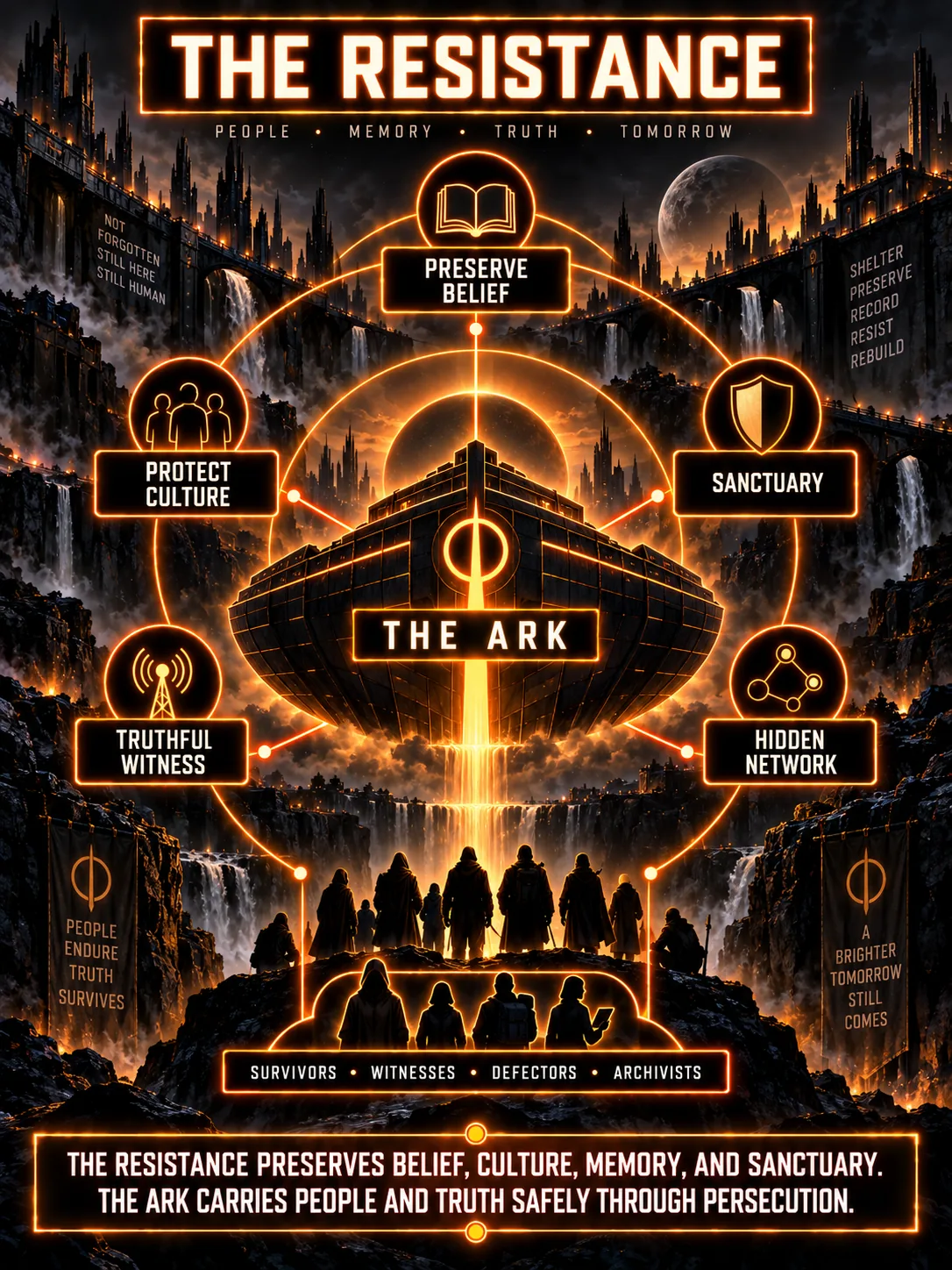
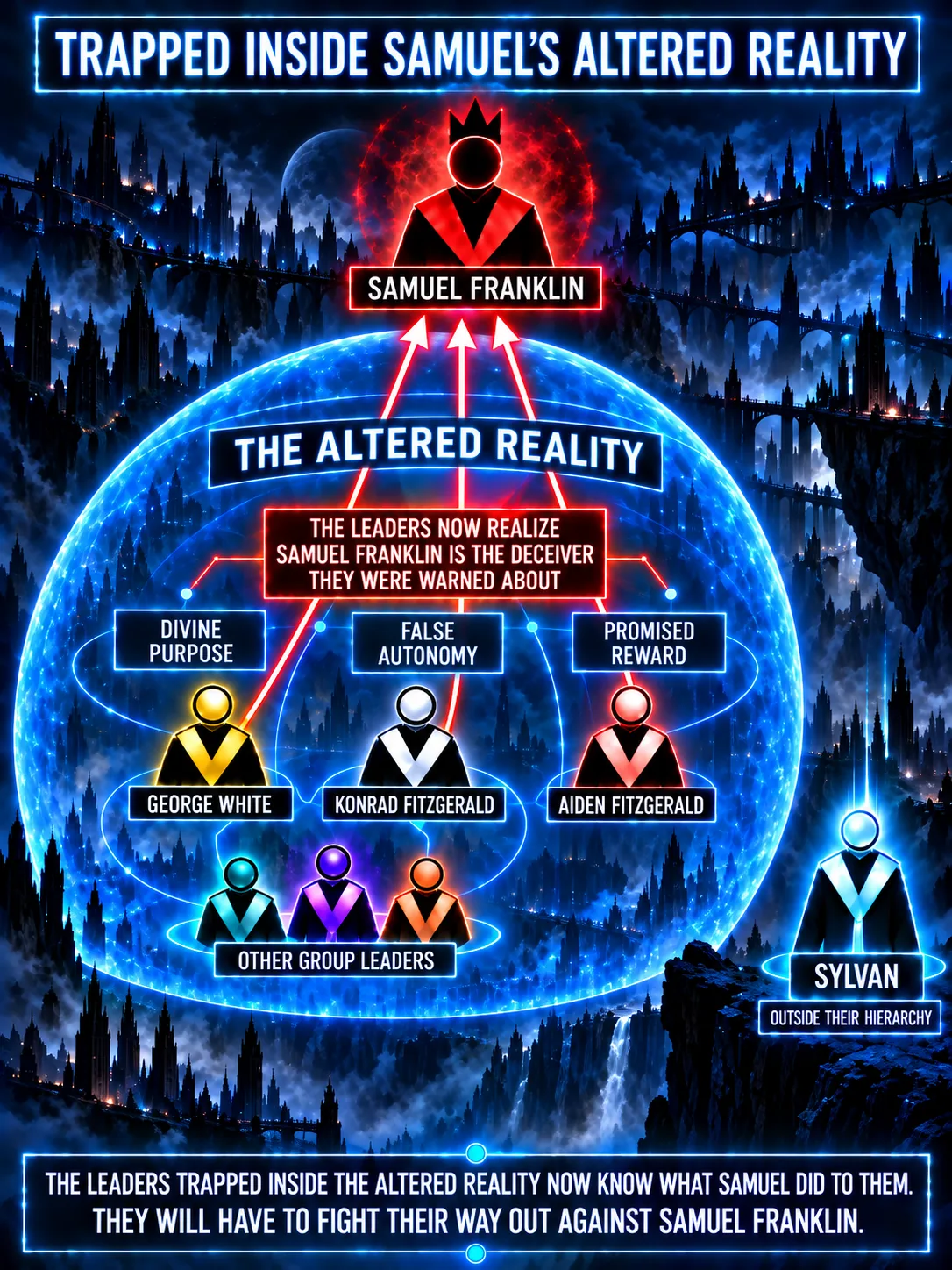
The sequence must also preserve the Resistance as an independent source of discovery and use the Converging Revelation test: the decisive evidence should join the Great War humiliation, false autonomy, Konrad's reactivation, and the present danger into one causal action rather than append a late secret.
Sources: 07 QA/2026-09-11 - Book One Buildability Assessment, 02 Story/Storyline, 02 Story/Timeline/Timeline, 06 Draft/Scenes/README.
Four possibilities
- Three-movement contract: opening pressure and false frame; escalating tests and evidence; deadline, separation, collapse, and placement.
- Five-sequence contract: disturbance; commitment; midpoint truth; terminal escalation; processing and constructive exit.
- Countdown contract: organize sequences around visible deadline thresholds and shrinking antagonist options.
- Evidence contract: organize sequences around what can be known, authenticated, acted upon, and finally presented.
Converging Revelation test
Before the sequence is accepted:
- state the audience's initial interpretation;
- identify the separate facts that support it;
- identify who holds each fragment;
- place the first contradiction;
- place the authenticated connection;
- show the immediate action the connection requires;
- confirm that the final reveal changes the meaning of at least three earlier facts;
- stop the explanation after the reinterpretation lands.
Central author gate
What are Book One's indispensable ordered sequences, whose viewpoint owns each, what decision ends each sequence, what changes because of that decision, and what unresolved question pulls the reader forward?
Scene test
Every sequence begins from the changed state produced by the previous one and ends with a consequential transition suitable for a scene packet.
Adversarial test
If events can be freely reordered, causality is still missing. If the contract dictates every scene or sentence, it is too rigid to support discovery during drafting.