A science-fiction story in development
People before positions.
What they want, what they believe, and what their choices cost.
Confirmed story information, developing ideas, and unanswered questions are labeled separately.
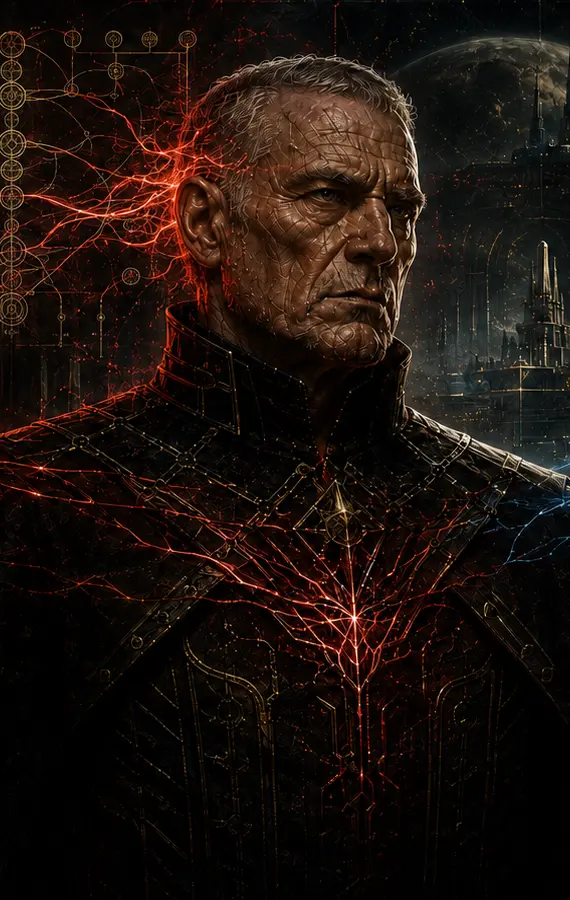
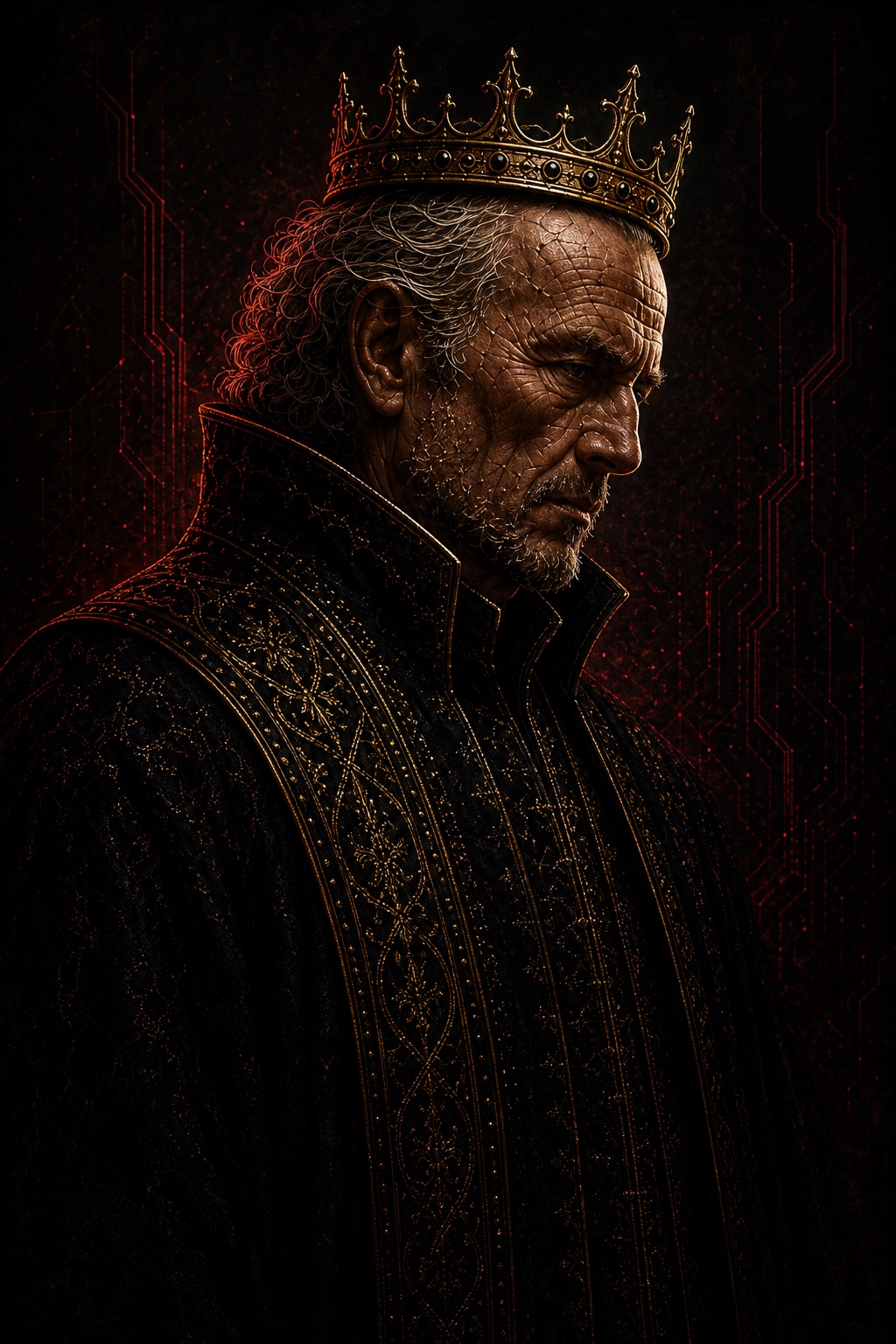

Sylvan
Sylvan develops the new deeply integrated Luminai bond. The existing modern arc begins with a creative-development startup, sabotage, loss, and movement through increasingly hostile environments before the final reversal.
His task is larger than technical mastery. He and Orzai must resist Samuel's attempt to make each appear irrational to the other, preserve independent judgment inside intimacy, and survive through Sylvan's forty-second birthday. Their completed bonds, voluntary partnership, and conduct qualify them for placement and close the older group's attempt to take him.
Orzai
Orzai is a developing leader and Sylvan's partner, with her own interests in health, nutrition, creative design, and training systems. Her choices must matter independently of his success.
Their Luminai coordination cannot replace trust, consent, disagreement, or repair. They meet inside the same environment, choose partnership under attack, complete separate human–Luminai bonds, and earn a placement they can begin cheaply with the resources they preserved.
At the ending, Orzai allows the legitimate process to carry Samuel's exposure. She accepts the result first and leads Sylvan into their final decisions. Together they enter an exploratory period, travel between countries, consider offers from other Houses, and choose where to build their own.
Konrad Fitzgerald
Konrad wants his ideology vindicated and his authority restored. The primary leaders genuinely offer his group permanent control of the largest empire if it joins Samuel and takes Sylvan before the deadline. Samuel persuades Konrad to remain in containment by lying about what Sylvan and the successor Luminai really are. Konrad believes his experienced Daemon can dominate both the target and Samuel.
His approved appearance is locked. The portrait establishes identity, not a new scene or an additional story fact.
Samuel Franklin
Samuel builds private dependencies through manipulation, surveillance, compromise, blackmail, and isolation. He remains physically contained on the previous planet and must act into Sylvan's world through George and permitted connections. He can manipulate local realities, but he never controls the rules governing bonds, balances, processing, Daemons, or the official record.
When his control collapses, he blames George, reaches toward Samuel Jr., and tries to sell Sylvan another false bargain. After the imperial deadline has passed, he spends his final allocation trying to keep the war alive and become a living god. His actions, rather than a diagnosis or real-person analogy, define the character.
George and the supporting cast
George can participate directly on the new colonization planet; Samuel and the older contained criminals cannot. That physical distinction makes George the operational bridge rather than another version of Konrad's isolated fantasy. Samuel drags him into the final godhood attempt and prepares him to absorb the blame.
Samuel has spent years telling George that a savior prophecy will end with George receiving absolute, godlike power. He secretly gives Aiden Fitzgerald the same exclusive promise. Each man believes he alone is chosen, and neither is meant to learn that Samuel promised one throne twice.
Their supposed superweapon appears real while Sylvan is severely disadvantaged. When Sylvan begins publicly exposing Samuel, it fails. George and Aiden can finally compare what they were told. Samuel keeps trying to aim them at one another, claiming each man is stealing or sabotaging the other's destiny.
The Resistance, Orzai's family, Samuel's constructed witness, descendants, and survivors must carry choices and evidence that cannot all be delegated to Sylvan.
Spoilers: recognition is not the same as accountability
Konrad's inner circle recognizes Samuel's repeated takeover method before Konrad does. Some participants may be collaborators, some coerced, and some both at different times. Knowing the truth does not automatically settle culpability or repair harm.
Konrad is pulled out of the story environment that held him for almost a century and made to confront Samuel's complete conduct, including the reproductive and genealogical campaign against his group. His influence still makes his final response consequential.
When Samuel's money reaches zero, the rules delete his Daemon because a Daemon requires active participation. He is placed in a stasis-like coma and moved to the physical location holding the older criminal leaders, where the record is presented while he remains inside the process without active status.
Sources: CAST, Konrad Fitzgerald, Samuel Franklin, Book One Outcome Presentation and Reverse Discovery.